01732 496 523

Cold Walls Cause Condensation
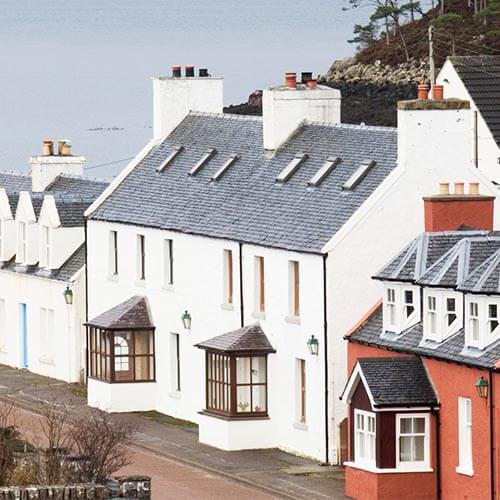
A damp wall is a cold wall. A cold wall attracts condensation, which in turn can exacerbate the effects of condensation. Condensation attracts mould. Your damp and/or cold wall is certainly costing you money, it could also be costing you your health.
Your wall may be cold for a variety of reasons. Single skin and solid walls are unsuitable for cavity wall insulation. Consequently, the exterior wall of the property is significantly cooled by cold outside temperatures. Solid walls are also more susceptible to penetrating dampness from wind-driven rain.
A damp wall has significantly reduced thermal properties compared to a dry wall. Even insulated walls will become inefficient if the moisture within the walls makes the insulation damp as well, further contributing to condensation issues.
Solution 1 – Keeping The Wall Dry
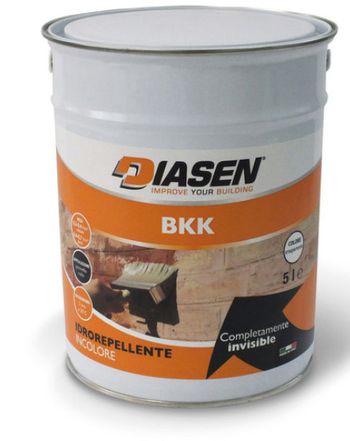
Newton 807 BKK eco is a colourless wall coating that protects porous walls of various substrates from wind driven rain, substantially reducing the risk of condensation buildup.
After treatment, the product penetrates deeply into the substrate. It creates an invisible deep layer of protection.
This makes the wall deeply impervious to water ingress and so better protected against frost damage.
The treated wall will also continue to dry out, thanks to the coating being vapour permeable.
The resultant dry wall is much more thermally efficient, which as well as reducing the incidence of internal condensation, will also save on heating bills.
Buy Newton 807 BKK eco from our online shop.
Solution 2 – Increasing The Surface Temperature Of Internal Wall Surfaces for Condensation
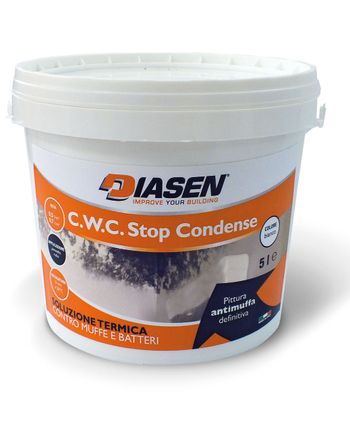
Newton 806 CWC is a thermal coating for cold and poorly insulated internal walls. It contains mineral powders with insulating features that warm the surface of the treated wall, mitigating condensation.
Condensation is formed when warm air comes into contact with a cold surface (known as the dew point). The air close to the cold surface cools and becomes unable to hold as much water vapour as it could when it was warmer. Therefore, the adjacent cold surface deposits this additional water vapour.
Because a wall treated with 806 CWC will experience a 5°C temperature increase compared to an untreated wall, in most cases this takes the temperature of the wall surface to above the dew-point. This eliminates condensation and mould, and it greatly improves thermal efficiency.
Buy Newton 806 CWC from our online shop.
Result
Treating structural walls with Newton 806 CWC and Newton 807 BKK eco makes them drier and significantly warmer than untreated walls. This treatment overall reduces condensation-related problems within your home.
You will notice an immediate improvement to the internal habitable environment, and surface moulds will reduce significantly. As well as being more thermally efficient, the exterior walls will be less susceptible to frost damage and the pointing within mortar walls will also last longer.
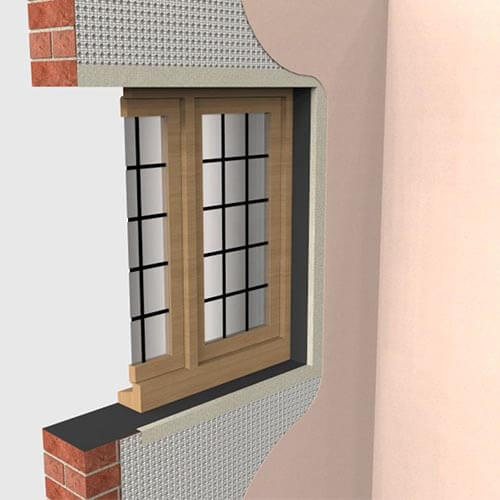
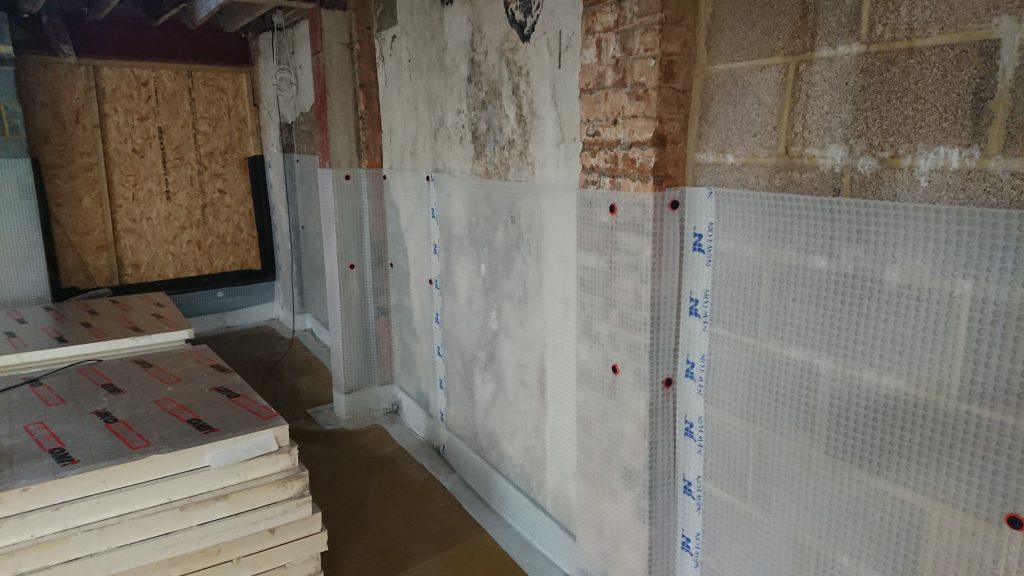

Expert Installations by our Nationwide Network of Newton Specialist Basement Contractors.

Pass the Waterproofing Design Liability to Newton and our network of contractors
Speak to our friendly, expert team
Our staff are able to provide guidance for projects of all sizes, whether you require some general advice about damp or waterproofing, or support with technical drawings and specifications.