
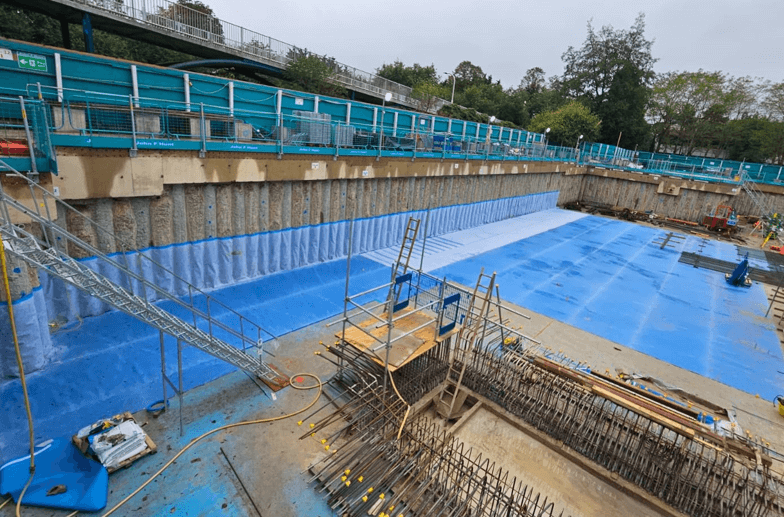
Pre-Applied External Waterproofing Membrane
HydroBond 402
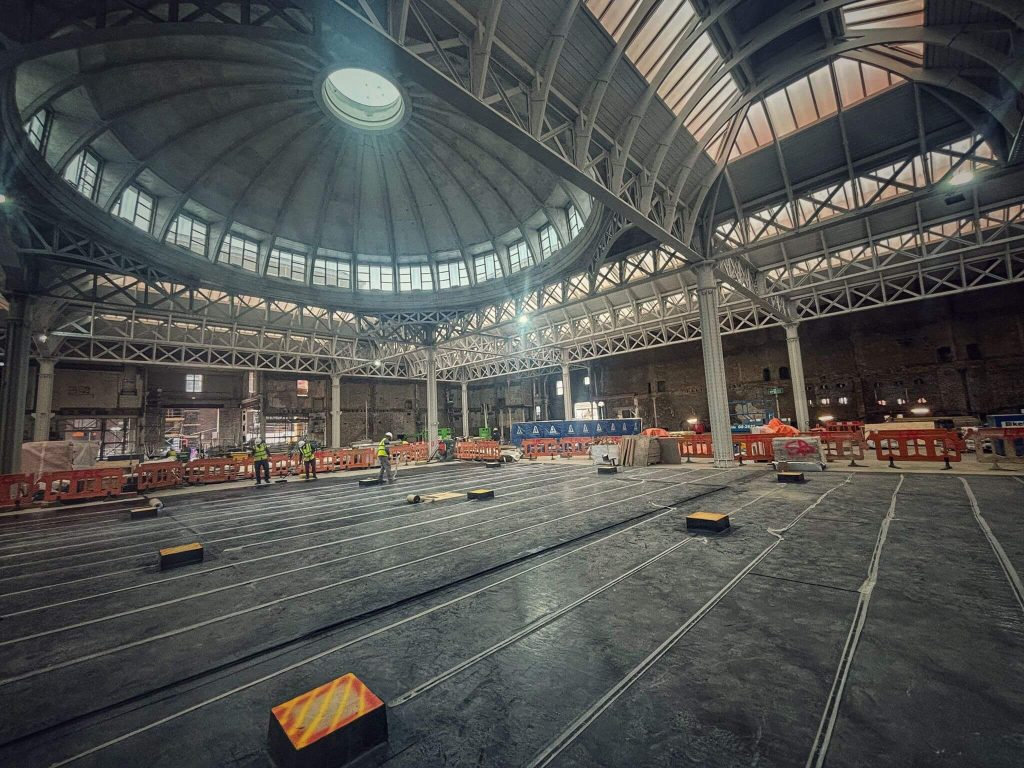
Post-Applied Self-Adhesive Waterproofing Membrane
HydroBond SA
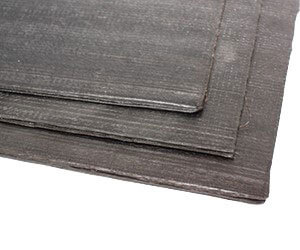
Bitumen Protection Board for Waterproofing Membranes
HydroBond Protection Board
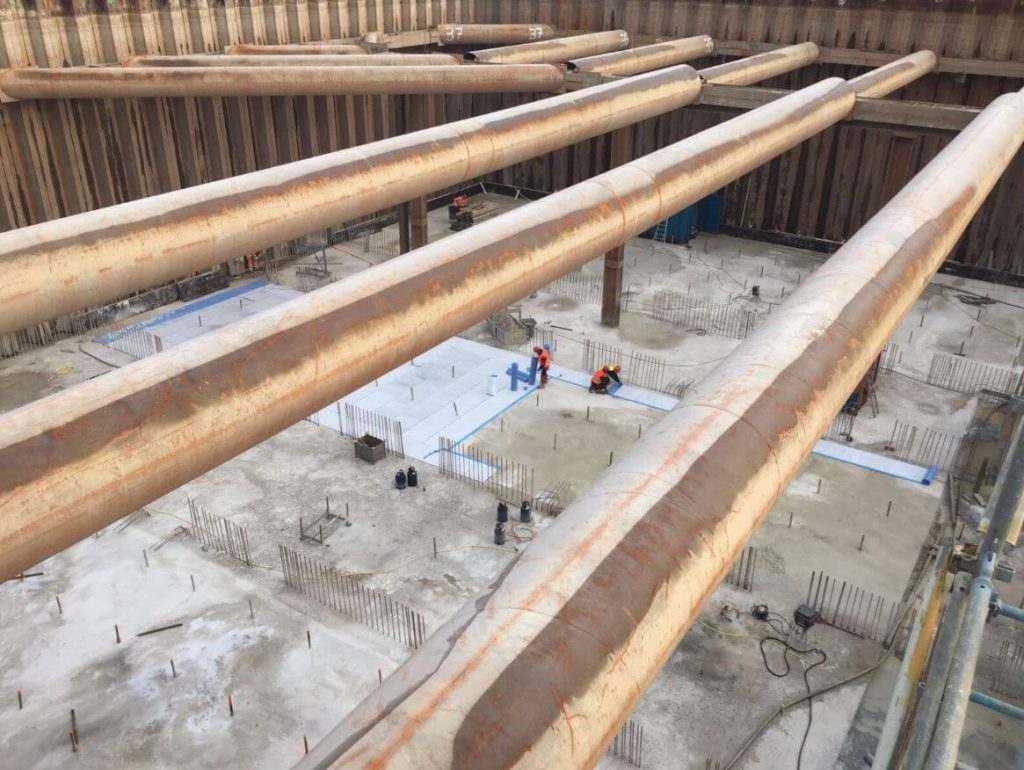
Externally Applied Waterproofing Membrane
HydroBond 403
Waterproofing Membrane & Gas Barrier
HydroBond 403 GB
Sheet Membranes for Below-Ground Waterproofing
Sheet membranes used for below-ground waterproofing are Type A barrier systems designed to prevent the ingress of water into earth-retained structures. They are typically applied externally to basements, retaining walls and foundation slabs to form a continuous waterproof envelope in accordance with BS 8102:2022.
These systems are used in both new-build and refurbishment projects, where they must accommodate varying construction methods, ground conditions and performance requirements. Sheet membranes may be installed either before concrete placement or to the completed structure, depending on the build sequence and access for installation.
Correct specification is critical. The selection of an appropriate sheet membrane is not based on product type alone, but on the relationship between:
• construction sequencing
• site conditions
• accessibility
• and the long-term risk of water ingress.
For this reason, sheet membranes should be considered as part of a coordinated waterproofing design, rather than as standalone products.
Typical applications include:
• Basements and habitable below-ground spaces
• Retaining walls and earth-retaining structures
• Raft slabs and foundation slabs
• Pile caps and complex foundation interfaces
• New-build below-ground construction where a continuous external barrier can be designed
• Projects requiring Type A waterproofing as defined by BS 8102:2022
Pre-Applied Sheet Membranes
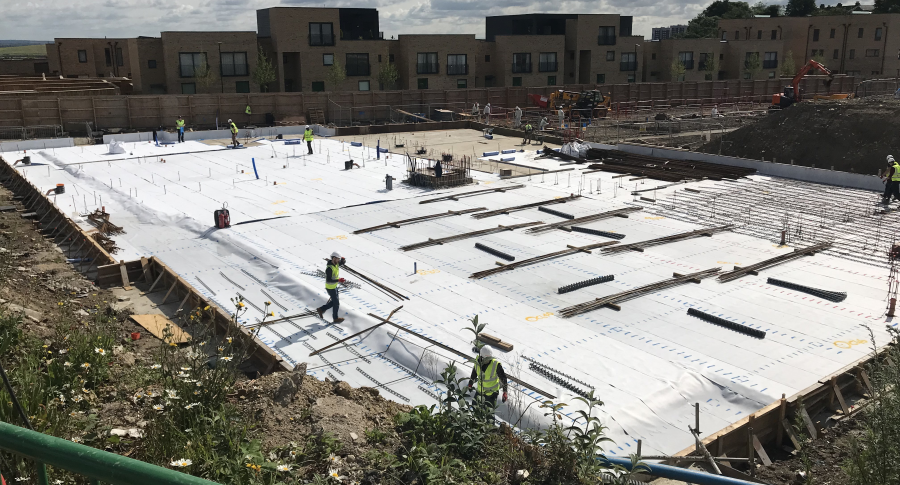
Pre-applied sheet membranes are Type A barrier systems installed prior to concrete placement, forming a continuous waterproof layer that becomes fully bonded to the structure as the concrete is cast. This approach is used where access to the external face of the structure will be limited or unavailable after construction, requiring the waterproofing to be installed in advance.
A pre-applied membrane is typically selected where sequencing prevents post-installation access, or where eliminating the risk of water tracking between the membrane and the structure is critical. By bonding directly to the poured concrete, these systems prevent lateral migration of water in the event of damage and provide enhanced durability over the life of the structure.
Typical applications include:
• Installation before concrete placement
• Blindside construction against piled walls or permanent formwork
• Raft slabs and foundation slabs
• Retaining walls constructed against existing ground or structures
Our pre-applied membrane systems include:
• HydroBond 402
• HydroBond 403
• HydroBond 403-GB
Post-Applied Sheet Membranes
Post-applied sheet membranes are Type A barrier systems installed after the structure has been formed, to the external face of walls or slabs where access is available. A post-applied membrane relies on correct substrate preparation and installation to achieve a fully bonded or appropriately sealed barrier that prevents water ingress into the structure.
A post-applied membrane is typically selected where construction sequencing allows access to the external structure after concrete placement, enabling the membrane to be applied directly to the finished surface. These systems provide a durable, flexible waterproof layer with strong adhesion to the substrate, resisting water migration and accommodating minor movement within the structure.
Typical applications include:
• Installation after the structure is formed
• Accessible external faces of below-ground structures
• Retaining walls
Our post-applied membrane systems include:
• HydroBond SA
• HydroBond SAGM
Design Considerations
The correct specification of sheet membranes depends on how effectively the design manages water pressure, construction sequencing and the long-term risk of failure. Type A barrier systems must perform across the full life of the structure, meaning design decisions at an early stage will directly affect durability, maintainability and waterproofing performance.
Key design considerations include:
• groundwater conditions
• hydrostatic pressure
• joint detailing
• penetrations
• sequencing
• substrate preparation
• and compatibility with other waterproofing types.
Sheet membranes are often combined with Type B or Type C systems, requiring coordinated design to ensure compatibility and performance across interfaces.
Incorrect specification or detailing of Type A systems can result in concealed defects and difficult remediation. For this reason, sheet membrane waterproofing should be designed and reviewed by specialists with an understanding of British Standard 8102 and long-term performance requirements.
Contact Newton Waterproofing
For technical advice, specifications, and support with sheet membrane selection, contact Newton Waterproofing. Our team guides detailing coordination and BS 8102:2022 compliance, ensuring the correct system is selected early in the waterproofing design process.
Trusted By




























Speak to our friendly, expert team
Our staff are able to provide guidance for projects of all sizes, whether you require some general advice about damp or waterproofing, or support with technical drawings and specifications.