01732 496 523

Waterproofing is a critical aspect of below-ground construction, yet it is often considered too late in the design process. For compliant and robust results, architects should involve a waterproofing design specialist early in the RIBA Plan of Work stages. At Newton Waterproofing, our design services are closely aligned with the RIBA Stages of Work. We support risk mitigation, efficient delivery, and seamless design integration.

What Are the RIBA Stages of Work?
The RIBA Plan of Work divides a construction project into eight key stages. Together, they guide the design, specification, procurement, and delivery processes:
• Stage 0: Strategic Definition
• Stage 1: Preparation and Brief
• Stage 2: Concept Design
• Stage 3: Spatial Coordination
• Stage 4: Technical Design
• Stage 5: Manufacturing and Construction
• Stage 6: Handover
• Stage 7: Use
Understanding the purpose and deliverables of each RIBA Work Stage is essential to designing waterproofing systems. Consequently, it ensures compliance with British Standard 8102:2022.
Why Include a Certified Surveyor in Structural Waterproofing (CSSW)?
Including a Certified Surveyor in Structural Waterproofing (CSSW) or a Waterproofing Design Specialist (WDS) in the project team is strongly recommended by BS 8102:2022. A qualified waterproofing specialist ensures that the strategy, products, and design details are appropriate. They consider the site conditions and ensure alignment with best practice.
BS 8102:2022 states:
A structural waterproofing specialist should be appointed as part of the design team. This ensures that an integrated waterproofing solution is created. The waterproofing specialist should:
a. be suitably qualified and experienced commensurate with the type and size of the proposed project;
b. be capable of devising solutions that accommodate the various project constraints and needs with an understanding of construction forms and sequencing; and
c. provide the design team with information and guidance that assists with and influences the design, installation and future maintenance of the waterproofed structure.
At Newton, we have nine CSSW-certified professionals, making us one of the most qualified waterproofing design teams in the UK. As a result, this level of in-house expertise ensures that every project benefits from a deep understanding of BS 8102:2022. We focus on its practical application.
Furthermore, BS 8102:2022 also recommends that:
• CSSW is the minimum accepted qualification for a waterproofing designer.
• The designer should be experienced in a wide range of waterproofing techniques and project types.
• Make the appointment as early as possible, and no later than the beginning of RIBA Stage 4.
• A formally appointed Design Project Manager should oversee the waterproofing design process to ensure strategic alignment and early coordination across the project team.
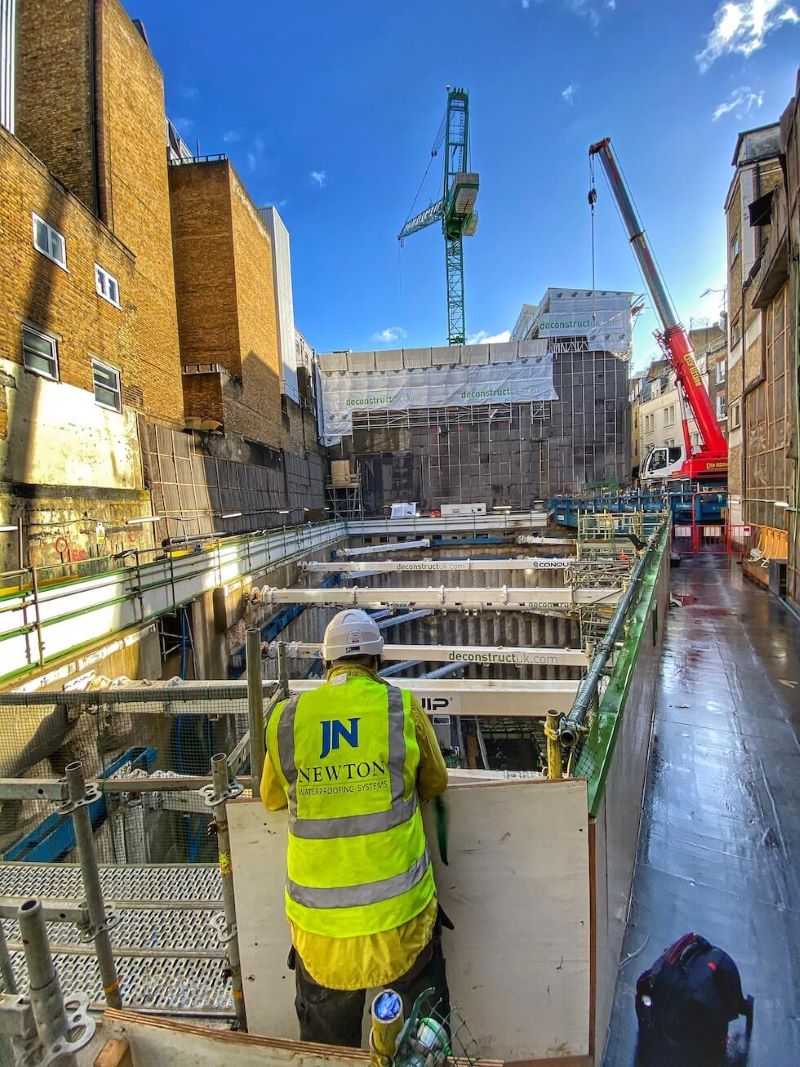
Our Role in the RIBA Plan of Work
At Newton, our involvement ranges from Stage 0 – Stage 4, where we start adding specialist input to provide and influence project feasibility, design coordination and development. Specifically, our services begin with:
• Stage 0-2 – Strategic Definition / Briefing & Prep / Concept Design / Cost Planning
• Stage 3 – Spatial Coordination (Coordinated Developed Design)
• Stage 4 – Technical Design (Design Intent / Performance Specification)
• Stage 5–6 – Construction and Handover
• Stage 7 – Use
Notably, our input, spanning RIBA Stages 0, 1, and 2, centres around early-stage feasibility in costing for specialist installation. Ultimately, our focused involvement ensures technically sound, project-specific solutions for below-ground waterproofing.
The Newton Design Service Across the RIBA Plan of Work
We support architects, engineers, and contractors throughout the RIBA Stages. We provide comprehensive, specialist input at every critical juncture of your project.
For projects at stages 0-2, we offer bespoke support explicitly tailored to your needs, including:
• Early-Stage Advisory Services – Providing expert guidance to inform initial waterproofing strategies. This helps mitigate risks at concept phases. We also assist with cost planning and feasibility.
• Site Surveys and Assessments – Detailed evaluation of site conditions. This enables accurate planning and integration of waterproofing solutions.
• Outline Remedial Solutions and Cost Estimates – Clear, practical recommendations and budgetary ballparks assist feasibility and early financial planning.
• Feasibility Studies – Comprehensive studies evaluate technical practicality and cost-effectiveness of waterproofing options. We align these with your project goals.
Additionally, our full range of design services and detailed information are outlined clearly in our guide, providing you with the knowledge and tools to navigate the waterproofing process with confidence and optimism.
For full details, download our Newton Design Services guide.
RIBA Stage 3: Spatial Coordination
At this stage, we assess how waterproofing will affect key design elements such as:
• Impact on wall and floor build-ups
• Location of key equipment (such as sump chambers)
• Applicable standards, risk thresholds, cost, and time constraints
• Material compatibility
• Buildability, installation sequencing, and Newton Specialist Basement Contractor input
In every case, the project benefits from a tailored, site-specific waterproofing strategy. Our CSSW-certified team evaluates all relevant factors. This includes project-specific waterproofing build-ups to sump chamber locations at Stage 3.
RIBA Stage 4: Technical Design
At this stage, our team collaborates with architects, engineers, and specifiers to finalise the waterproofing strategy before tender stage. Here at Newton, we provide:
• Relevant waterproofing system specification sheets
• Bespoke project-specific drawings carried out and detailed by our in-house design team
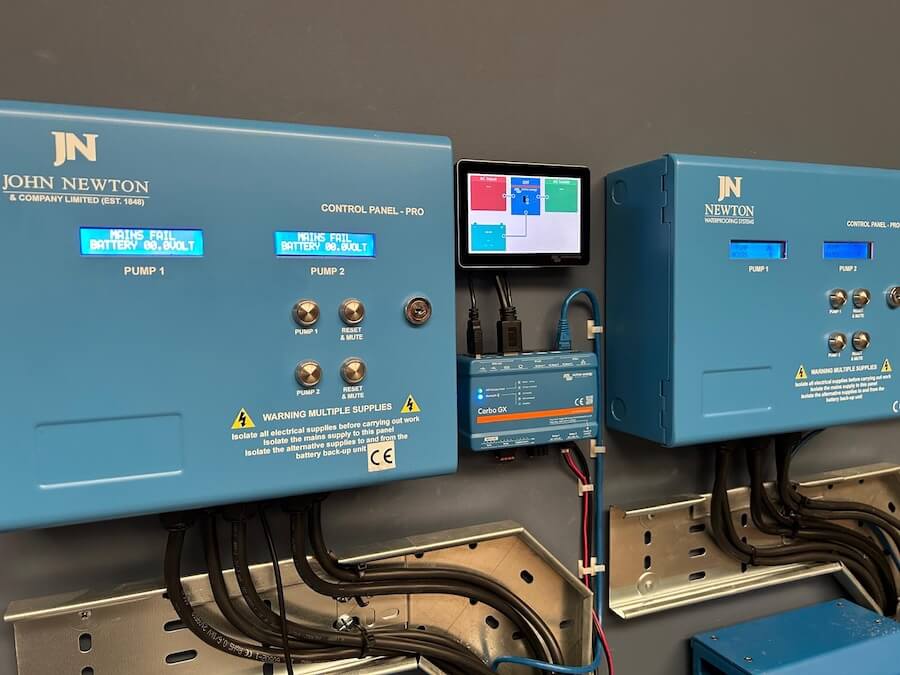
• Project-specific pump specification, including groundwater pumping stations to service the Type C drained cavity waterproofing system, surface water pumping stations and wastewater pumping stations where applicable
• Basic radon protection designed as standard
• Relevant technical data sheets, product information and 3rd party accreditation
• Full support with NBS specification resources and information
• Details of the Newton Recycling Service and how this will benefit your project
• Involvement in design team meetings to ensure a fully coordinated stage 4 design package
This phase is segmented as follows:
1. Finalising coordinated technical designs
2. Preparing tender documentation and specifications
3. Assessing contractor proposals and value engineering
Our CSSW-certified team works closely with all stakeholders to ensure consistent quality and compliance.
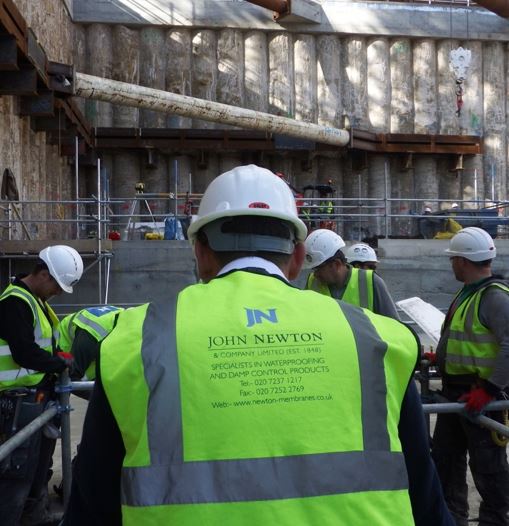
How the Building Safety Act Impacts Waterproofing Design
The Building Safety Act 2022 places new legal obligations on designers, contractors, and dutyholders. This is particularly relevant when working on Higher Risk Buildings (HRBs), as outlined in Gateway 2. Importantly, the legislation now classifies waterproofing as a safety-critical system.
Key implications from the Building Safety Act that our Design team ensures compliance with include:
• Competency Requirements: Designers must demonstrate relevant experience and qualifications, such as CSSW certification. Therefore, the project team must formally appoint a specialist waterproofing designer by RIBA Stage 4.
• Golden Thread Compliance: All waterproofing details, such as drawings, strategies, and risk assessments, must be recorded and maintained. This forms part of the project’s digital golden thread of information. It ensures full traceability throughout the project lifecycle.
• Early Design Coordination: The Act reinforces the importance of involving a waterproofing specialist from RIBA Stage 3 onwards. As a result, costly design revisions can be avoided. This ensures Gateway 2 approvals are more readily achieved.
• Risk Mitigation: A competent waterproofing strategy ensures the project achieves and maintains the client’s expected internal environment grade. In addition, this also provides long-term protection for the lifetime of the structure.
By integrating our design team early, we ensure that your waterproofing solution aligns with both BS 8102:2022 and the requirements of the Building Safety Act.
Why Early Involvement Prevents Costly Errors
Delaying the waterproofing design often leads to space restrictions, retrofitting, and increased construction costs. Engaging Newton as part of your design team throughout the stages of work helps mitigate these risks through strategic planning and proactive integration, ensuring a fully coordinated waterproofing design.
Work With Newton Waterproofing – Specialists in BS 8102:2022 Compliance
With a team of nine CSSW-certified professionals, we offer unparalleled technical knowledge and project accountability. Our extensive portfolio spans decades and includes high-profile commercial developments, complex civil engineering projects (including major infrastructure, tunnelling, and large basement structures) as well as prestigious, super-prime residential properties.
From delivering compliant waterproofing for luxury subterranean living spaces to ensuring structural integrity in demanding civil environments, we offer best-in-class solutions tailored to each project’s unique challenges.
Get Waterproofing Design Support Today
Discover how our expertise can elevate your next project.
Visit our Design Services Partnership page to submit an enquiry or contact our technical team.
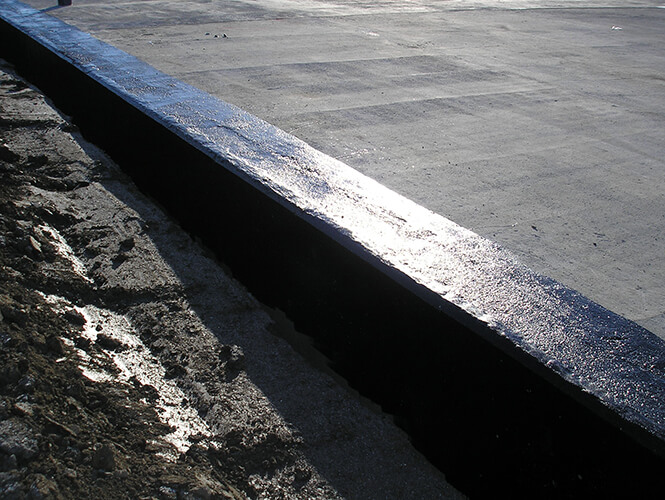
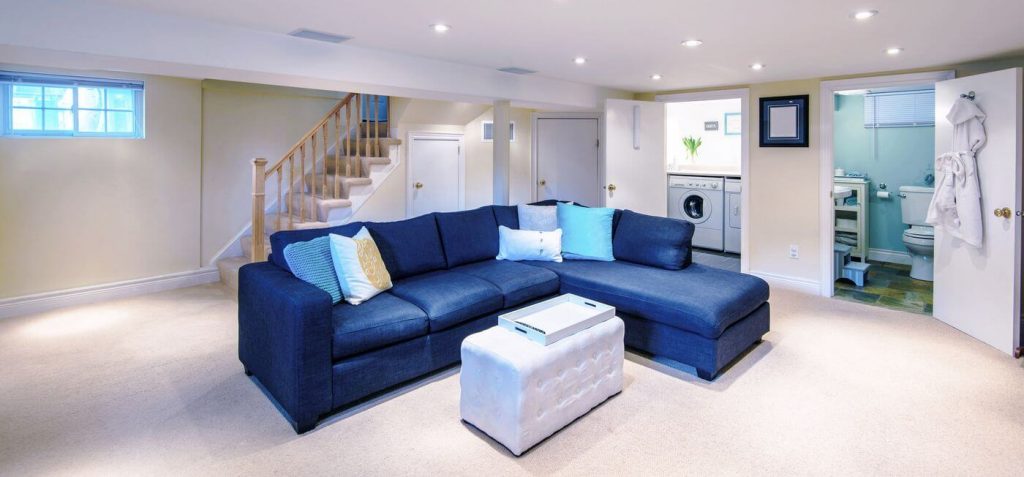

Expert Installations by our Nationwide Network of Newton Specialist Basement Contractors.


Pass the Waterproofing Design Liability to Newton and our network of contractors
Speak to our friendly, expert team
Our staff are able to provide guidance for projects of all sizes, whether you require some general advice about damp or waterproofing, or support with technical drawings and specifications.