01732 496 523

When selecting building materials for waterproofing, understanding how waterproof render acts as an effective barrier to water ingress is important. This understanding can help achieve a comprehensive waterproofing design for your project.
As clients and specifiers look for opportunities to make the most of below-ground spaces as habitable environments, different combinations of products are usually required to achieve this. It is important to remain compliant with industry standards and best practice.
Waterproof render products are an adaptable and extremely viable form of Type A (barrier) waterproofing. Used as the primary waterproofing system or in combination with other forms of protection, waterproof renders can protect many structures against water ingress. They maintain their long-term integrity.
In this guide, we explore the considerations and reasons for specifying waterproof render. This will help architects and specifiers make informed decisions for their damp proofing and waterproofing projects.
Understanding Waterproof Render Systems
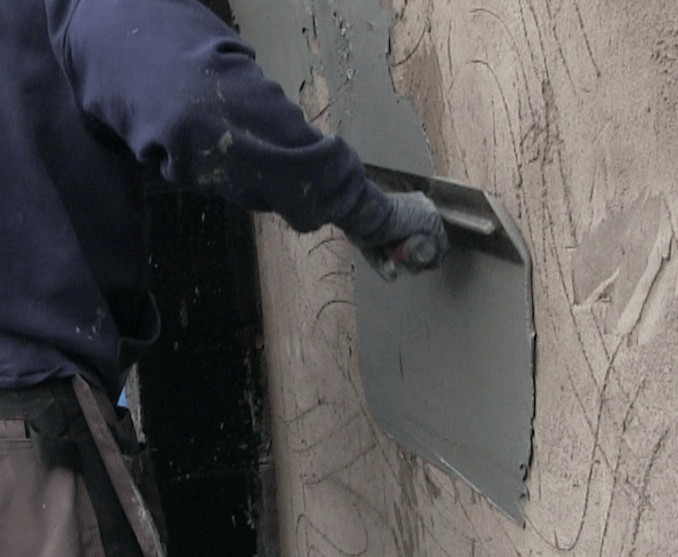
As a waterproof coating, a render is a specialised building material that is applied in varying thicknesses, usually up to 10mm. The render provides robust barrier protection against water penetration because of this thickness. This is especially the case with irregular substrates, which are challenging. Thin section waterproofing slurries are typically applied at only 2mm thick.
Contemporary render systems are non-porous and incorporate reinforcing properties that significantly reduce water absorption. Unlike traditional cement-based renders, they increase flexibility while remaining vapour permeable.
There are numerous options available in the construction market currently. They range from convenient and easily applied single-coat products, to the more complex multi-coat render systems. The appropriate choice of product is not necessarily determined by cost, but by multiple factors. These include site conditions, application scenario, type of substrate, time constraints, and the desired finish.
Different Types of Renders for Waterproofing
Making the right choice of waterproof render depends on understanding the benefits and drawbacks of each type – some of the main options of render include:
Cement-Based Render Systems
Cement-based renders represent a traditional yet effective approach to rendering. These systems combine conventional cement-based renders with specialised waterproofing additives to create a robust protective layer. They are known for their excellent durability. These products provide reliable performance across various substrate types. However, they can be prone to cracking when subject to structural movement, due to their inflexibility.
Polymer-Modified Render Systems
Polymer-modified renders are an advanced solution that include specialised polymers. These systems offer enhanced flexibility and superior adhesion to the substrate, while demonstrating improved resistance to cracking under structural movement. The render provides excellent protection against moisture ingress, making them particularly suitable for below-ground structures and challenging environmental conditions.
Silicone-Based Render Systems
These advanced formulations leverage silicone’s inherent properties to deliver excellent water repellence. Their enhanced flexibility and durability offers long-lasting protection. However, their labour-intensive, multi-stage application process does have time and cost implications compared to traditional cement and polymer-modified variants.
Attributes of High-Performance Waterproof Render Systems
A high-performance waterproofing render system combines multiple essential properties. These include excellent adhesion to the substrate, low water absorption rates, and long-term durability. Depending on the application scenario, the type of render selected should demonstrate resistance to temperature fluctuations and environmental degradation. It should maintain its protective capabilities throughout its lifespan.
Waterproof Render – Key Specification Considerations
Surface Preparation, Wetting and Priming
A successful waterproof render application starts with meticulous surface preparation and priming. First, inspect and assess the substrate condition thoroughly to ensure optimal performance. Next, prepare the surface using suitable techniques that promote strong adhesion and long-term durability. Then, wet the surface to reduce suction and create clear pathways for the product to penetrate the capillary structure — an essential step that contractors often overlook. Afterwards, select compatible primers carefully to enhance bonding and system performance. Finally, identify and treat any structural issues before starting the application to ensure a stable and reliable finish.
Application Methods
The successful installation of waterproof render depends heavily on the correct application methods. Whether using single or multiple coat systems, contractors must consider thickness requirements, especially at laps and joints between vertical and horizontal application. They should employ appropriate application techniques specific to the chosen product. Environmental conditions during installation can also play a crucial role, as factors such as temperature and humidity can significantly impact the curing process and, ultimately, performance.
Performance Requirements
Performance requirements for waterproof render systems must meet specific criteria to ensure long-term effectiveness. Key considerations include achieving specified water resistance levels while demonstrating sufficient flexibility. This flexibility is necessary to accommodate structural movement and maintaining its integrity. It should be effective across a wide range of temperatures.
Introducing Newton HydroCoat 1: An Advanced Waterproofing Solution
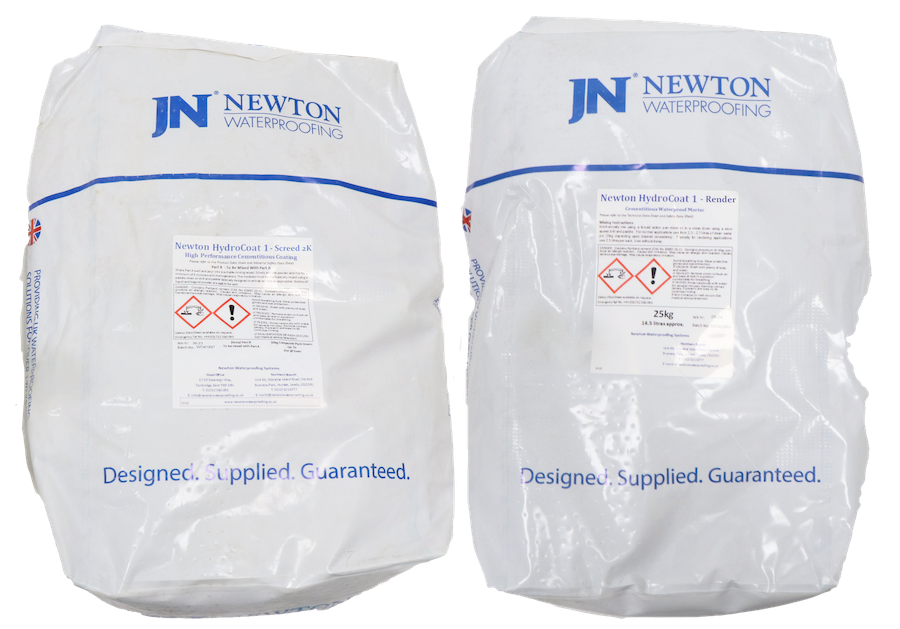
As an advanced waterproof render and screed system, HydroCoat 1 offers an easy and quick application compared to traditional solutions. This pre-bagged waterproofing system meets the requirements of BS 8102:2022 for a Type A barrier waterproofing product. It can be applied in just one coat to the walls and floor. This complete system includes:
HydroCoat 1 Render
- Pre-bagged material for vertical and overhead applications
- Single Component
- Single-coat application
- Simple mixing with clean water
- Variable application thicknesses
- Easy trowelling properties
HydroCoat 1 Screed 2K
- Rapid-setting two-part formulation
- Epoxy and polymer modified
- Suitable for concrete substrates
- Pour or pump application
- Even finish with distinctive texture
Why Choose a Single-Coat System?
When selecting the type of render for your project, a single-coat system is often the best choice for efficiency and performance. The benefits of choosing a single-coat system like HydroCoat 1 include:
- Reduced application time and labour costs
- Simplified specification process
- Consistent performance
- Lower risk of application errors
- Improved project efficiency
Expert Guidance and Support for Waterproof Render
Specifying the right waterproof render system is crucial for ensuring long-term building protection. As a complete structural waterproofing system, Newton HydroCoat 1 represents the latest advancement in waterproofing technology. It offers a simplified yet highly effective solution for modern construction projects.
For expert guidance on specifying high quality waterproof render systems and selecting the right type of render for your project, contact Newton Waterproofing’s technical team. Our specialists can provide detailed specifications, technical support, and RIBA-approved CPD seminars to support your project requirements.
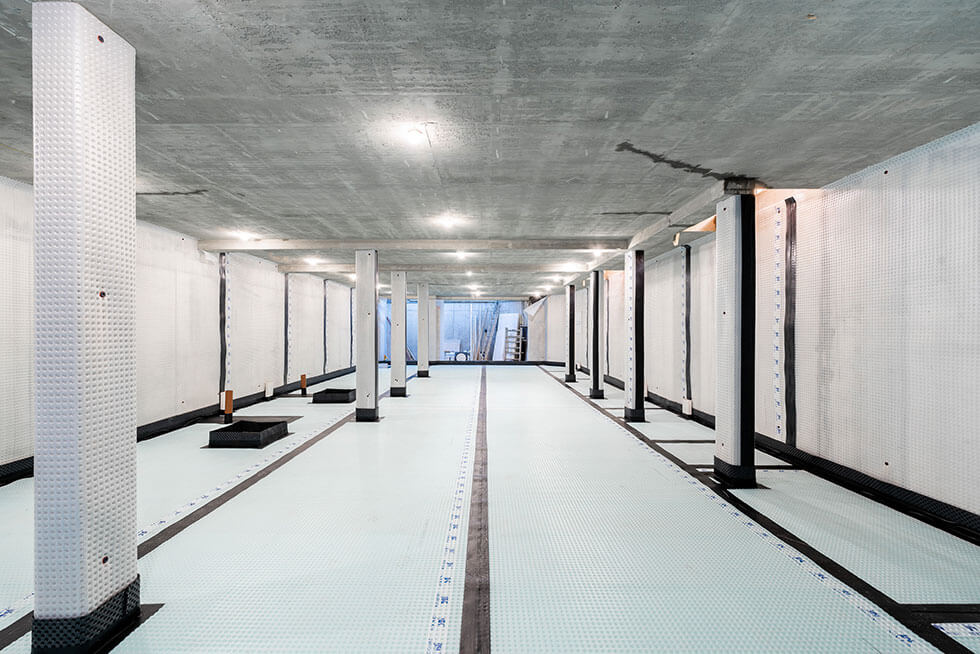

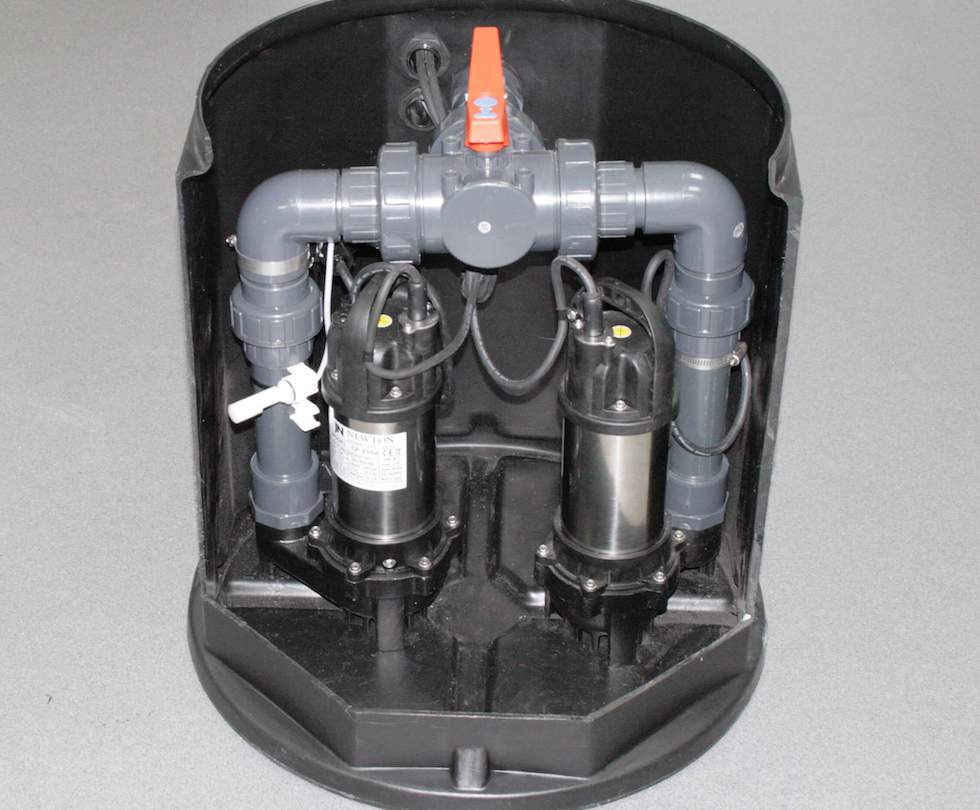

Expert Installations by our Nationwide Network of Newton Specialist Basement Contractors.


Pass the Waterproofing Design Liability to Newton and our network of contractors
Speak to our friendly, expert team
Our staff are able to provide guidance for projects of all sizes, whether you require some general advice about damp or waterproofing, or support with technical drawings and specifications.