01732 496 523
How to Install Waterproofing Systems That Are Susceptible to Hot Weather Working
Protecting Your Project from the Heat: A Guide for Specifiers & Contractors
As UK summers intensify, safeguarding waterproofing installations that are affected by warm/hot weather is increasingly vital. We must consider the impact of high temperatures on those waterproofing products and installations. The weather and site environment play a huge part in how some of these waterproofing systems cure and perform.
When users apply products using incorrect procedures in high temperatures, it can lead to defects. These defects include membrane distortion, premature curing, adhesive failure, and cracking. This guide highlights key points and expert tips for handling waterproofing installations in hot weather conditions. It aims to help you achieve lasting performance, meet compliance standards, and build confidence in your project’s longevity.
Why Does Hot Weather Affect Some Waterproofing Systems?
High ambient and substrate temperatures can lead to:
- Reduced working times and incomplete curing of cementitious slurries, renders and coatings
- Reduced adhesion to substrates
- Deformation or slippage of self-adhesive sheet membranes
- Cracking of cementitious products
- Compromised system performance over time
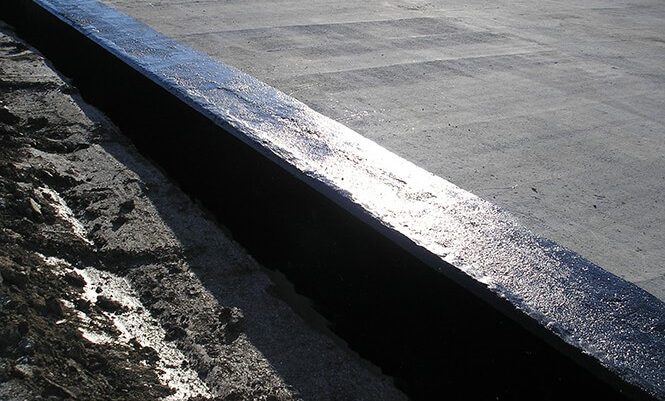
Surface temperatures, especially on dark surfaces exposed to direct sunlight, can be 10°C higher than the surrounding air temperature. This has a direct impact on how your waterproofing system behaves on-site.
Essential Strategies for Waterproofing Installations During Hot Weather with Newton Products
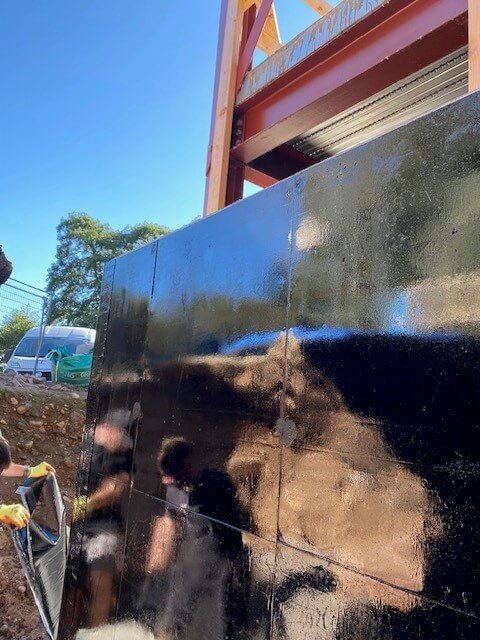
Sheet Membranes – such as HydroBond SA and HydroBond SAGM
These self-adhesive membranes bond with the substrate, resisting slippage and maintaining good adhesion to the substrate when applied at suitable temperatures. However, there are still a few best practice processes that should be followed to ensure optimal installation of the products.
Hot Weather Advice:
- Store rolls in shaded, cool conditions before use
- Install only at temperatures confirmed within the Technical Data Sheet
- Plan the work so that the installation is in shadow as much as possible
- Where practical to do so, avoid midday installation; install during early morning or late afternoon
- Protect promptly and backfill as soon as possible.
Bonus Tip: Apply temporary shading over vertical applications if they are left exposed for extended periods.
Bituminous Waterproofing Systems – including HydroBond 2K-Flex and HydroBond 109-LM
These seamless, flexible, and cold-applied membranes are ideal for numerous detailing and waterproofing applications. However, high heat accelerates evaporation which leads to rapid curing and skin formation. To avoid issues with rapid curing, follow the steps below.
Hot Weather Advice:
- Apply only the during cooler part of the afternoon to avoid outgassing.
- Do not apply when the substrate temperature is at 30°C or higher
- Ensure surfaces are correctly prepared and primed in line with the product-specific recommendations
Cementitious Slurries, Mortars & Grouts – including HydroCoat 103 2K, HydroCoat 1 System, HydroCoat 105 1K, HydroCoat 107 Elastic 2K and HydroCoat 203-RM)
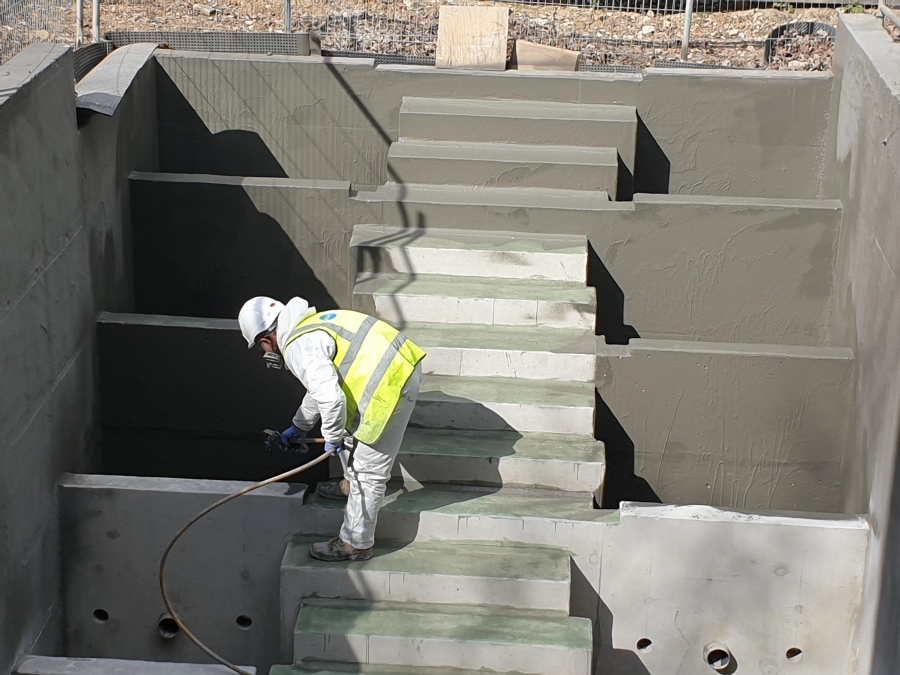
These products are typically installed inside buildings, shielding them from high temperatures. However, when used externally, they become highly sensitive to moisture loss and rapid drying. This risk increases significantly in warm, dry conditions, especially if accompanied by drying winds.
Hot Weather Advice:
- Ensure that the dampening of the substrate is maintained by wetting smaller areas and by using HydroCoat 903 Primer to ‘lock’ the moisture into the surface capillaries
- Utilise specialist curing agents such as HydroCoat 905-CM to extend curing times and ensure full hydration of the cementitious products
- Alternatively, use damp hessian sheets with plastic covers to ensure the moisture needed for full curing is always present
- Work in shaded areas where possible
Hot Weather Waterproofing Checklist
- Store all products in shaded, cool areas
- Install only at temperatures as directed by the product technical data sheets
- Avoid installing during peak sun (typically 11 AM – 3 PM)
- Work in shadow as much as possible
- Mix only what you can apply immediately
- Saturate the substrate and ensure that correct curing regimes are always used
- Reach out to our Technical Team for assistance or guidance.
- Always follow our product-specific installation guidance
Heatwaves are here to stay, but failure doesn’t have to be. Engineers design and test our waterproofing systems to perform, even in high-temperature conditions. By combining correct product selection with expert guidance, your installations will remain durable, safe, and compliant for years to come.
Need Expert Guidance for Hot Weather Waterproofing?
Don’t let high temperatures compromise your installation. Our technical team offers tailored advice and product recommendations to ensure your waterproofing systems perform flawlessly, whatever the weather.
Contact Newton Waterproofing’s technical team for expert advice and product recommendations. Ensure your structural waterproofing project is completed to the highest standard.
You can contact us by calling our offices in Tonbridge or Leeds, or emailing us directly.
Waterproofing Installations During Hot Weather FAQ Section
What’s the best time of day to install waterproofing in summer?
Schedule your waterproofing installations for either early morning (before 11 AM) or late afternoon (after 4 PM). Beat the heat and minimise high substrate temperatures.
Can I install waterproofing products onto substrates that are hot to the touch?
Yes, but only if you can ensure that the substrate temperature is within the product’s application range. Use infrared thermometers if needed.
Do I need enhanced curing regimes for cementitious systems in hot weather?
Absolutely. We recommend using Newton 905-CM to retain moisture or to protects with damp hessian and plastic sheeting. Re-dampen periodically as needed during the curing period.
How do I protect membranes from UV damage?
Our waterproofing products that are not UV stable should be covered and protected as soon as possible. Check guidance within the product technical data sheet.

Expert Installations by our Nationwide Network of Newton Specialist Basement Contractors.
Pass the Waterproofing Design Liability to Newton and our network of contractors
Speak to our friendly, expert team
Our staff are able to provide guidance for projects of all sizes, whether you require some general advice about damp or waterproofing, or support with technical drawings and specifications.