01732 496 523

What is Basement Tanking?
Do you know the difference between Basement tanking or waterproofing? Basement tanking, also known as ‘Type A’ waterproofing, involves applying a membrane or coating to the inside of a below-ground structure. This creates a barrier that prevents water from entering the habitable space of the property. It endeavours to make the basement watertight.
What Are The Benefits of Cellar Tanking?
- Protection against water: Cellar tanking provides a barrier against water ingress, preventing damage to internal fixtures and fittings, and other related issues.
- Preservation of structural integrity: By eliminating water ingress, cellar tanking safeguards the structural stability of your cellar, preventing damage to brickwork and masonry.
- Conversion potential: When you waterproof your cellar, you open the door to basement conversion opportunities. Transform your space into additional living areas, entertainment rooms, or a home office with confidence.
- Increased property value: A dry and well-maintained cellar adds value to your property, making it more appealing to potential buyers or tenants.
What Should I Consider When it Comes to Basement Tanking?
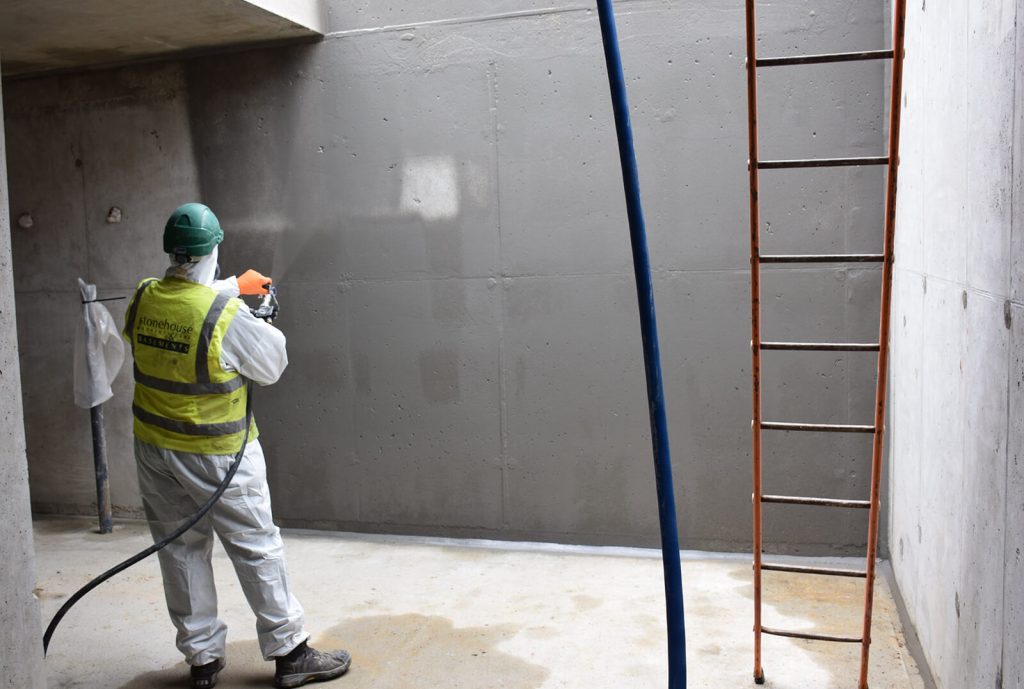
Tanking basement walls involves the application of a waterproof coating, commonly referred to as a tanking slurry, to the walls and floor. This ensures complete protection and makes sure basement walls remain dry.
Tanking will ultimately provide a barrier which bonds with the structure. It also provides protection from water ingress and subsequent problems. However, it is important to consider the existing condition of basement walls and floors before proceeding with a waterproofing installation.
To achieve a successful cellar tanking system, you must apply the membrane to walls and floors that are in sound, stable condition. You should also reduce the flow of free water as much as possible. Do this before installing the tanking membrane.
Pay close attention to weaker points in the structure, especially floor-to-wall junctions, construction joints, and service penetrations, as these areas are more prone to water ingress.
However, you may not be able to apply tanking directly to the surface in every case. Poor wall surfaces can prevent the membrane from forming a strong bond. Any evidence of excessive movement in the substrate can cause future cracking in the coating.
Although tanking membranes can waterproof floors, basements, crawlspaces, storage areas, and tunnels, you should always arrange a specialist survey first. A qualified waterproofing contractor can identify potential problems. They also recommend the most appropriate waterproofing system before any work begins.
Type C Waterproofing

Tanking a basement involves creating a watertight barrier that blocks water from entering, in order to prevent water ingress and damp. However, another method of basement waterproofing is the installation of a cavity drain system, otherwise known as ‘Type C’ waterproofing.
If you can’t install a tanking system, or if the system fails because of installation errors, poor preparation, or impact damage, water can enter the structure and compromise the internal space. In contrast, Type C waterproofing does not try to resist water pressure, which avoids these issues. This generally makes it the safest form of waterproofing.
British Standard 8102:2022 defines Type C waterproofing as “drained protection”. In practice, the designer accepts that water may enter voids and air spaces. Cavity drain membranes create these voids when installed within the structure. The system captures and depressurises incoming water before removing it safely from the property.
Newton’s Type C waterproofing solution, the CDM System, brings together our decades of expertise with industry-leading products. The range includes BBA-certified cavity drain membranes paired with sump and pump configurations. All are designed specifically to meet the demands of Type C waterproofing.
Combination Waterproofing
For enhanced protection against water ingress, the BS 8102:2022 guidelines recommend combining two or more types of waterproofing. Newton’s CDM System can therefore be combined with our Type A tanking systems (HydroBond and HydroCoat). It can also be combined with our Type B ‘integral’ waterproofing system. The HydroTank is a type of B ‘integral’ waterproofing system.
Newton’s Technical Team works closely with clients to design the right combination of structural waterproofing methods. These methods comply with current legislation and best practices.
When is Basement Tanking Not Appropriate?
There are situations where a tanking membrane may not be suitable, such as:
- In listed or historic structures where conservation officers may consider the membrane irreversible
- In buildings expected to experience excessive movement during their lifetime
- In weak structures unable to withstand water pressure against the tanking membrane
- In areas with excessive underground vibrations, such as near railway lines.
Consult a qualified waterproofing designer to ensure you select the most appropriate products for your project requirements.
Additional Considerations When it Comes to Cellar Tanking and Waterproofing
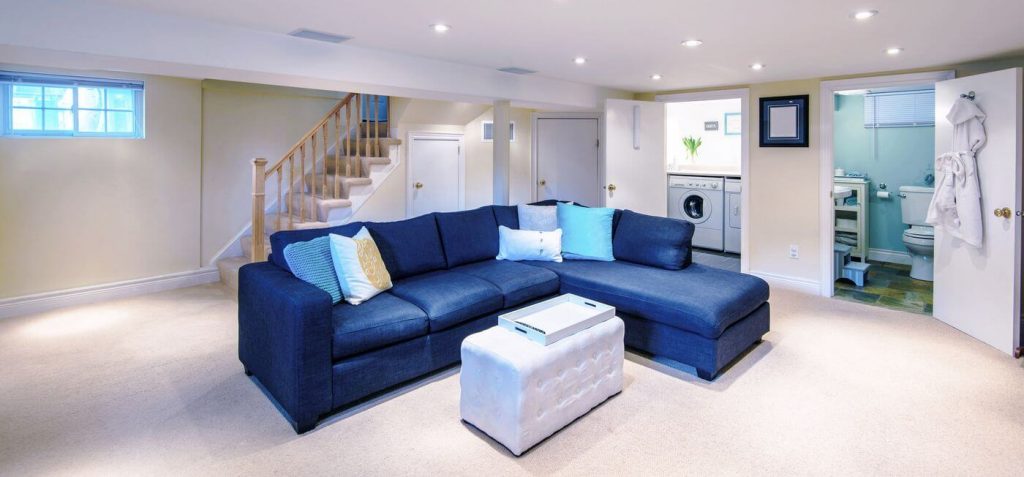
If you are considering converting an existing basement, we have a guide for converting domestic cellar spaces. It covers many of the key points that need to be considered and assessed – including:
- Do you need an architect? One of the most important people in your whole project, and therefore one of the first people you should engage is an architect who can guide you through the entire process.
- Do you need planning permission? In most cases, unless your home is in a Conservation Area, a specially designated area, or it is Listed, then converting an existing basement will be classified as Permitted Development and will not require planning permission
- Building Regulations: Whether or not you require planning permission, your basement conversion will need building regulations approval
- Ventilation and heating: Good ventilation and heating in a basement conversion is fundamental to creating the desired internal environment and preventing unpleasant odours and condensation.
- Lighting: When you convert your basement into a living space, natural light becomes essential.
- Party walls: Party Walls and Party Wall Agreements are something that you need to consider if you’re planning a basement conversion that will affect an adjoining property.
Effective Basement Tanking With Newton Waterproofing
Established in 1848, Newton Waterproofing is the oldest and largest independent supplier of guaranteed basement waterproofing systems in the country.
Our comprehensive range of services benefits architects, contractors, developers, groundworkers, and homeowners alike. This includes:
- award-winning sustainability initiatives
- a bespoke design service backed by Professional Indemnity Insurance
- RIBA-approved CPD seminars, and
- an advanced range of waterproofing systems
Our exceptional products are supported by a network of certified Newton Specialist Basement Contractors who provide fully guaranteed installation and maintenance services for projects of all sizes.
For more information and to find the products best suited to your basement tanking requirements, call our technical team on 01732 360095 or email tech@newtonwaterproofing.co.uk.